Working Sump Pumps Protect Homes from Flooding and Water Damage
As spring approaches, ensuring that sump pumps are ready to handle increased water flow can safeguard against potential basement flooding and costly water damage. This guide covers the benefits of sump pumps, how to check their functionality, and the importance of having a backup system.
Sump Pumps and Their Benefits Explained
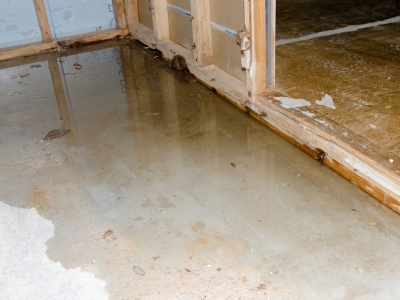 Sump pumps play a critical role in maintaining a safe, dry home environment, particularly during seasons with heavy rainfall.
- Preventing Flooding: Sump pumps are essential devices installed in the lowest part of a home, typically in the basement or crawlspace. Their primary function is to pump excess water out and away from the home, thus preventing flooding.
- Avoiding Water Damage: By addressing potential water accumulation issues quickly, sump pumps help avert significant water damage to a home’s foundation, interior finishes, and personal belongings, saving homeowners from costly repairs.
- Reducing Mold Growth: Excess moisture is a primary catalyst for mold growth, which poses health risks such as allergies and respiratory issues. Sump pumps mitigate these risks by keeping spaces dry and discouraging mold development.
- Health Risk Mitigation: Properly functioning sump pumps reduce the risk of mold-related health complications, helping ensure a healthier living environment for residents.
With these benefits, sump pumps serve as vital components in a home's water management system, offering peace of mind against water-induced calamities.
How to Make Sure a Sump Pump Works Correctly
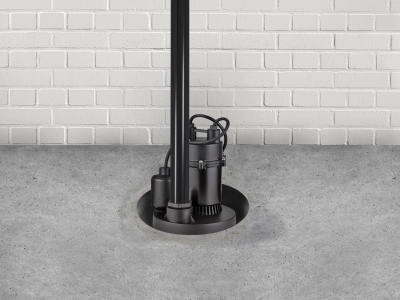 Routine checks and maintenance ensure sump pumps remain in optimal working condition, ready for action when needed.
- Debris and Clog Inspection: Regular inspections for debris and clogs are essential. Obstructions can impede the pump's operation, and removing them can maintain the pump’s efficiency.
- Testing the Sump Pump: Homeowners can test its functionality by pouring water into the sump pit and observing whether the pump activates and drains the water effectively. This simple test confirms if the system is operational.
- Professional Maintenance and Inspection: Regular inspection and maintenance from a plumbing professional helps ensure the sump pump is in top condition. Experts can identify potential issues early and provide necessary repairs or adjustments.
By following these steps, homeowners can keep their sump pumps ready to handle an influx of water, minimizing the risk of basement flooding and associated damage.
Why a Sump Pump Backup May Be Needed
While primary sump pumps are reliable, additional measures may be needed to provide fortified protection against water intrusion.
- Secondary Sump Pumps for Added Security: A backup sump pump provides an extra layer of protection, especially during periods of heavy rainfall when the primary pump might be overwhelmed.
- Power Outage Scenarios: Storms that cause power outages render electrically operated sump pumps ineffective. A sump pump battery backup ensures continuous operation even when the main power is down.
- Primary Pump Failure Considerations: Mechanical failures can sometimes occur, leaving the home vulnerable to flooding. A backup sump pump serves as a safeguard, picking up the load if the primary system fails.
Having a backup sump pump is a prudent precaution that provides peace of mind and helps ensure the home remains protected in various circumstances.
About Plumb Perfect Plumbing
Plumb Perfect Plumbing is an established residential and commercial plumbing company that serves Fredericksburg and beyond. Their neat and tidy plumbers are available 7 days a week. Call them now for sump pump installation and repair services in Fredericksburg, VA.